Search

Thursday, February 26, 2026

How to study

At some point in the life of every academician or practician, academics becomes not the act of innovation and smartness, but the act of grit, persistence and knowledge. Being patient enough to read is a huge virtue. In this article, I will reflect on the meaning of study and the value of such a meaning.

To study is to engage in voluntary, citational thought.

Monday, January 12, 2026

A unified, intuitive chord notation system

This is a syncretic attempt at combining multiple existing notational conventions into a single, nice standard that can be used more flexibly than each of the existing ones. This imposes a certain degree of strictness on what symbols can now be used how.

Summary: Use Nashville with jazz/advanced symbols for chords, Romans for implied tonics.

Tonic: Roman I (Absolute Key).

Implied tonic: Roman Numeral, Mode (Absolute Mode). Legend:

  • I: Ionian
  • i6: Dorian
  • i2: Phryigian
  • I5: Lydian
  • I7: Mixolydian
  • i: Aeolian
  • i25: Locrian

Chord: Nashville notation (Absolute Chord). Legend:

  • -, m: minor
  • 7: dominant 7th
  • Δ, M7, maj7: major 7th
  • °, dim: diminished
  • ∅: half-diminished (= half-dim. 7th)
  • +: augmented
Derived chords:
  • °7: diminished 7th
  • °Δ7: diminished major 7th
  • +Δ: augmented major 7th
  • etc.

In action

'Stella by Starlight' in Bb

[ii (D m)] 2 m7b5 (E m7b5)  |  5 7 (A 7)  |  [I (Bb)] ii m7 (C m7)  |  5 7 (F 7)  |

contd.

Sunday, June 22, 2025

Undergraduate Statistics Books

If you are a beginner at Statistics, these books will give you either a very comprehensive outlook of the subject, or will be referred to very frequently in the community. If you are deciding whether to take up Statistics as an academic degree, these books may also help you gauge the conventional scope and interests of the discipline of Statistics.

0. Preliminaries

In case you want to take a look at Statistics texts for the higher-secondary-school level, here are some suggestions. Note that a higher-secondary reading of Statistics is surely beneficial but not at all mandatory for undergraduate studies.

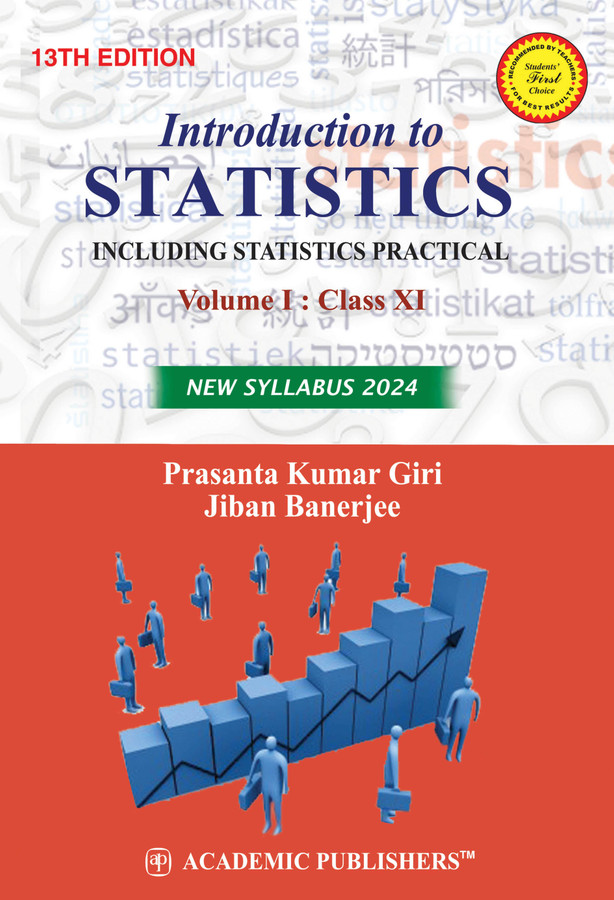
  • Introduction to Statistics -- P. K. Giri, J. Banerjee. Introduction to Statistics - Google Books
    • A West Bengal higher secondary staple.
    • Deals with combinatorial probability, mathematical statistics, applied statistics, and even dabbles with a bit of number theory!
    • Better to go for print options.

1. Classics and Summarizers

These books are either great summary texts in Statistics, or are frequently referred to. Their purpose is to provide a detailed overview, yet not to discourse in great depth about any singular subdiscipline of Statistics.

  • Fundamentals of Statistics (Vol. 1, 2) -- A. M. Gun, M. K. Gupta, B. Dasgupta. 2015.137863.fundamentals of Statistics Vol 1 | PDFFundamentals Of Statistics Vol. 2 : Goon, A. M. Internet Archive
    •  

    • An Indian staple, followed in almost every college (at least in West Bengal).
    • Vol. 1 deals with mathematical statistics and probability mostly, whereas Vol. 2 deals with applied statistics.
    • The typesetting, the language, and the notational choices can be a little brain-wrecking at times.
    • Better to go for print options, as these books are quite cheap but badly digitized.
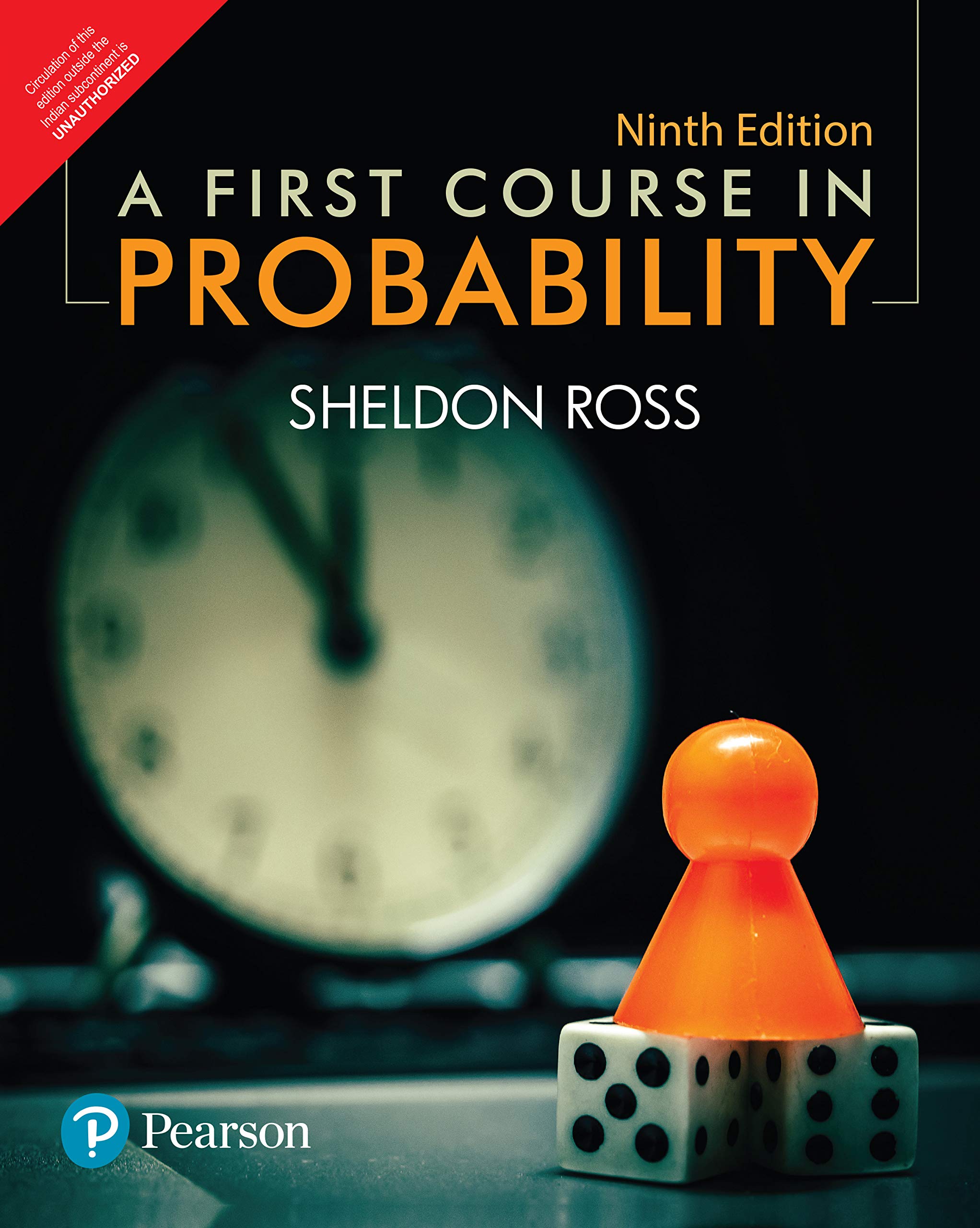
  • A First Course in Probability -- Sheldon M. Ross. A-First-Course-in-Probability.pdf
    • A question-bank and staple reading for classical (combinatorial) probability, probability axioms and definitions, probability distributions, and large number laws.
    • Deals little with pure statistics if we disregard the theory of random variables.
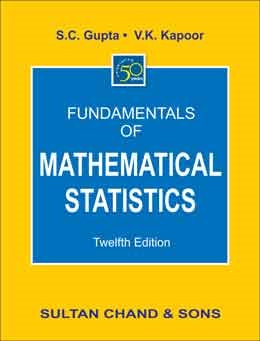
  • Fundamentals of Mathematical Statistics -- S. C. Gupta, V. K. Kapoor. 2.-B.C.A.-Elements-of-Statistics-Study-Material.pdf
    • Deals with mathematical statistics, elementary probability theory, probability distributions, and inference.
    • Similar to Fundamentals of Statistics (Vol. 1, 2) -- A. M. Gun, M. K. Gupta, B. Dasgupta but with better print, better notational convention, and clearer language.
    • Comprehensive in solved examples and chapter-end problems.
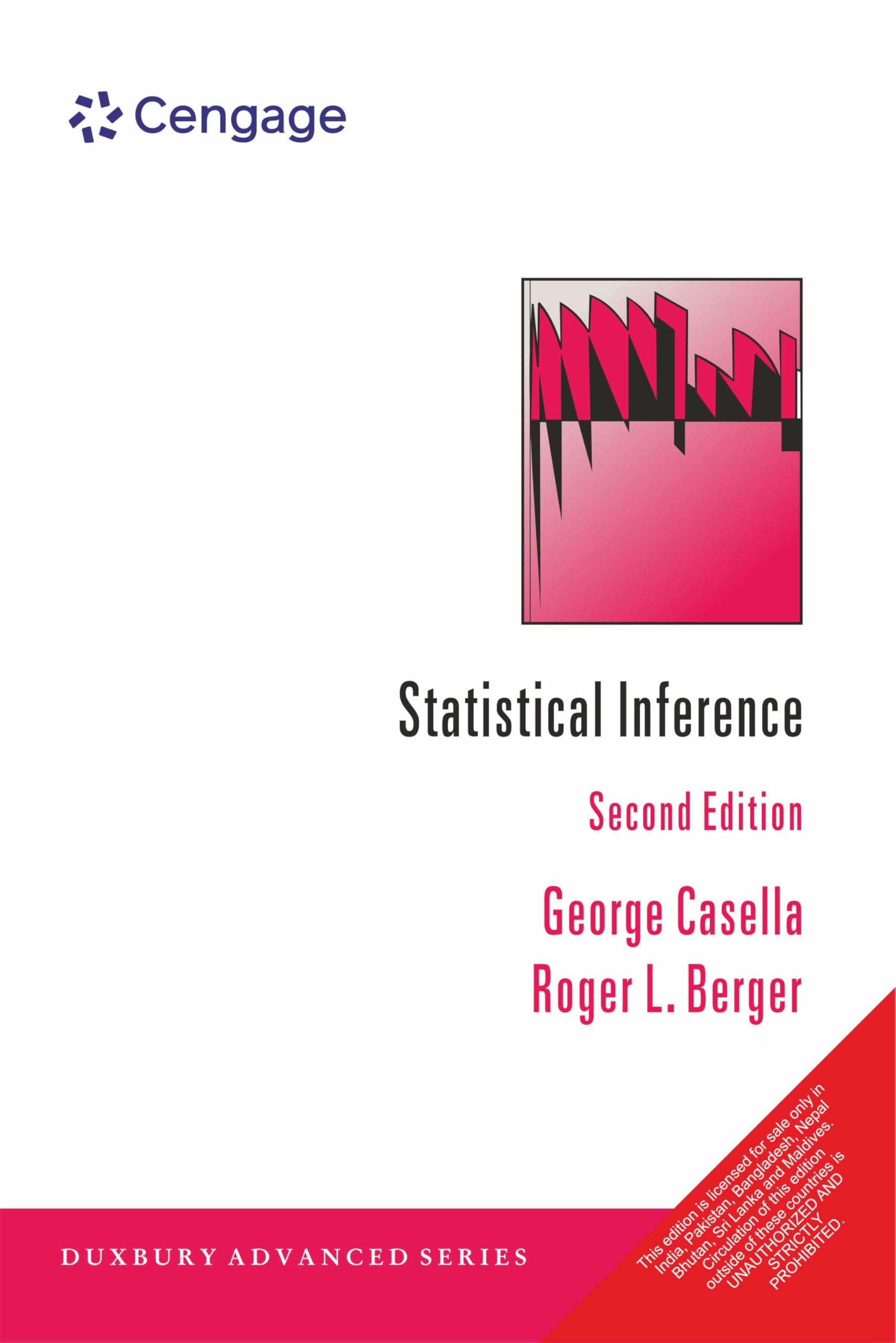
  • Statistical Inference -- George Casella, Robert L. Berger. Statistical Inference
    • An international staple that serves a Statistician throughout his career.
    • Deals with lesser combinatorial probability, carries a hint of axiomatic probability theory, provides a brief introdution to random variables, but majorly delves into actual mathematical statistics and statistical inference.
    • This is not meant to be a one-read book, but instead a book meant to keep coming back to. Do not expect to understand this book at the first read like some other elementary texts.

2. Introductory Topic-specific

I will add content here in the future.

Sunday, June 8, 2025

ISI MStat Interview

Some pointers about the nature of the interview, associated preparation, and, most importantly, the logistics -- the journey and the stay -- for the ISI MStat D-day.

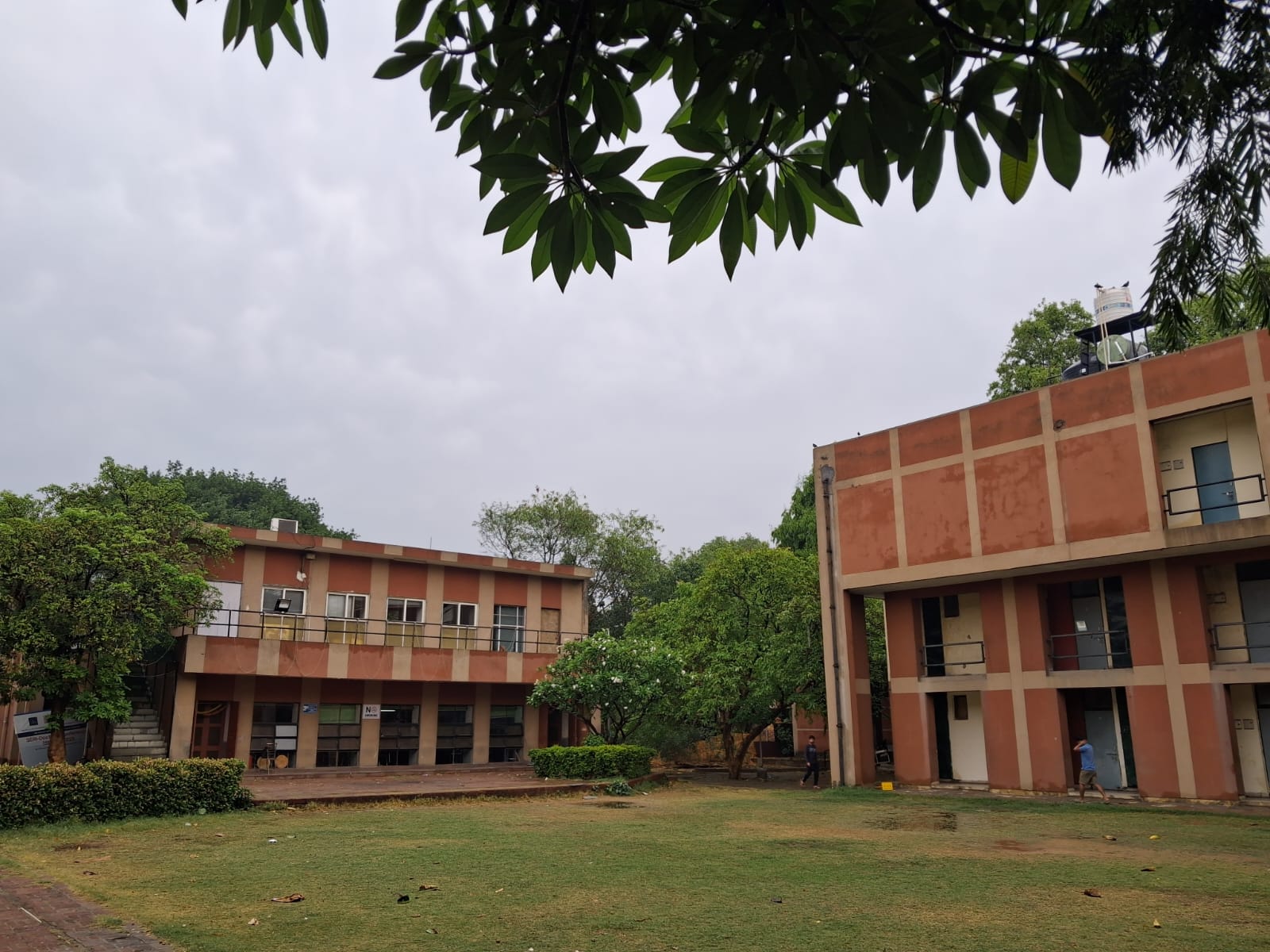
The canteen and 'Old Hostel', ISI Delhi

The ISI MStat Interview is a matter of huge concern (not unnecessarily) for any MStat candidate. In this article, I give some pointers describing the nature of the interview, associated preparation, and, most importantly, the logistics -- the journey and the stay -- of the MStat interview.

1. Interview format

  1. Timespan: 30-40 minutes
    • Depends on how panelists like your answers, how much they want to probe your understanding of a topic, and your natural speed of figuring out hints and formulating solutions.
    • Length of the interview does not at all convey success in the interview, so don't compare it with others.
  2. Timing: 1 particular day (out of generally 3-4 days overall), and in any one of the 3 shifts -- morning (10 am), noon (12 pm) or afternoon (2 pm).
    • In every shift, panelists try to accommodate 4-5 interviewees, so if you are the last candidate in a shift, it may drag on to the next.
    • The last afternoon interview has, historically, continued as far as till 6:30 pm.
  3. Location: ISI Delhi classrooms.
    • You may be seated in the ISID auditorium and then called to arrive at the classroom at your turn.